Thu Apr 16 at 10:30am
YTT Info Session: FREE Meditation & Pranayama class + Q&A
Thu Apr 16 at 10:30am
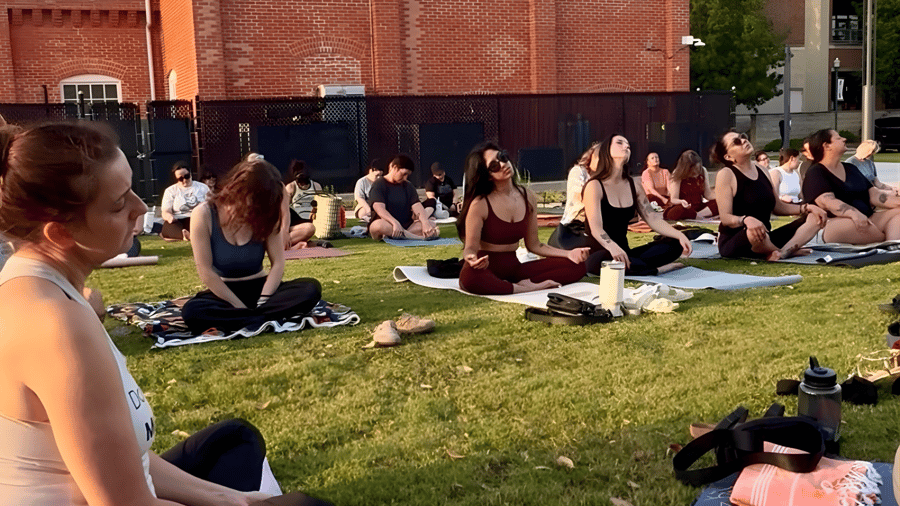
Classes typically start with simple stretches, move into a sequence where you're always in motion, and end with relaxing poses. The teacher gives step-by-step instructions and shows easier or harder options for each position.
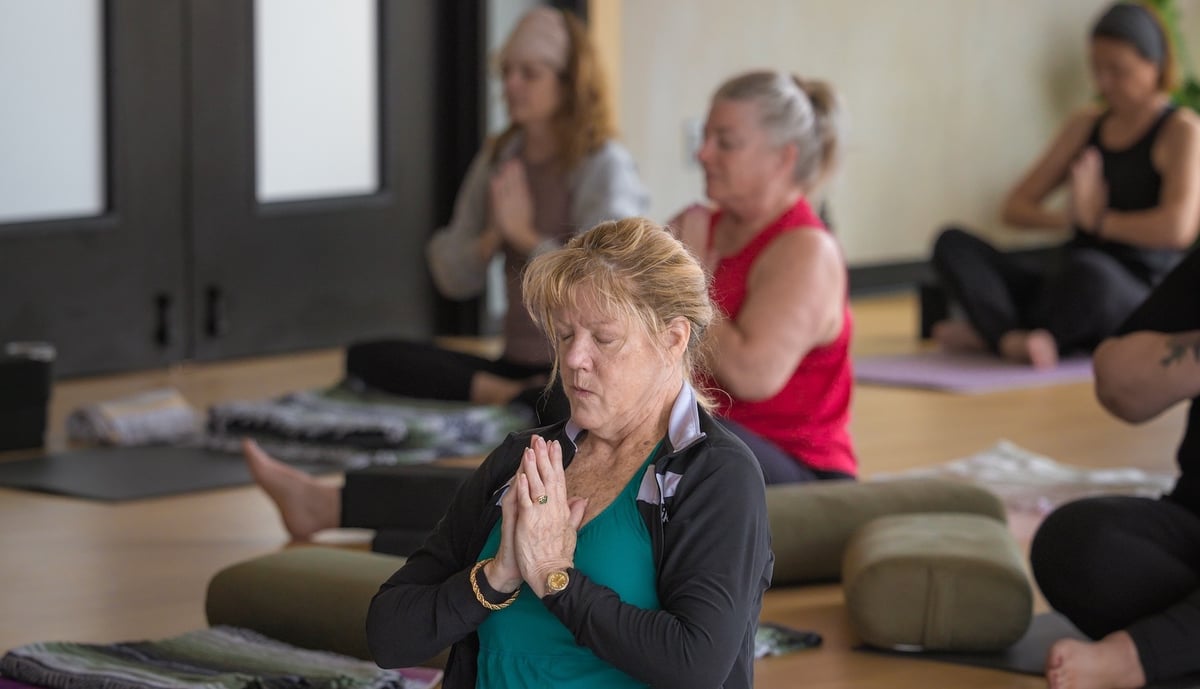
This class works for everyone - beginners get simpler options while more experienced students can try more challenging versions. You'll leave feeling stronger, more flexible, and more relaxed.
Yoga can help with insomnia like a lullaby for your mind. It can help reduce stress and anxiety, which can interfere with sleep. Plus, the gentle stretching and deep breathing can help you unwind and fall asleep more easily.
Yoga can help with emotional balance like a tightrope walker for your emotions. It can help you stay centered and grounded, even when things get tough. Plus, it's a lot more fun than walking a tightrope all day.
Yoga can help improve flexibility like a magic potion for your muscles. It can help stretch and lengthen your muscles, which can improve your range of motion. Plus, it's a lot more fun than being stuck in a stretching machine all day.
Bringing your own yoga mat to class is like bringing your own pillow to a sleepover – it's a personal preference. Most studios provide mats, but if you're a germaphobe or just want to be extra prepared, feel free to bring your own. Just make sure it's clean and not too slippery.
Yoga helps with flexibility like a ballet dancer, helping you move gracefully and fluidly. It can help improve posture, increase range of motion, and reduce the risk of injuries. Plus, it's a lot more enjoyable than trying to pirouette in a tutu.
Try it out
Get to know Flow with unlimited access to all classes at any Flow studio for 30 days
Unlimited Classes for $30