Sat Jul 11 at 1:30pm
Free Yoga Class
Sat Jul 11 at 1:30pm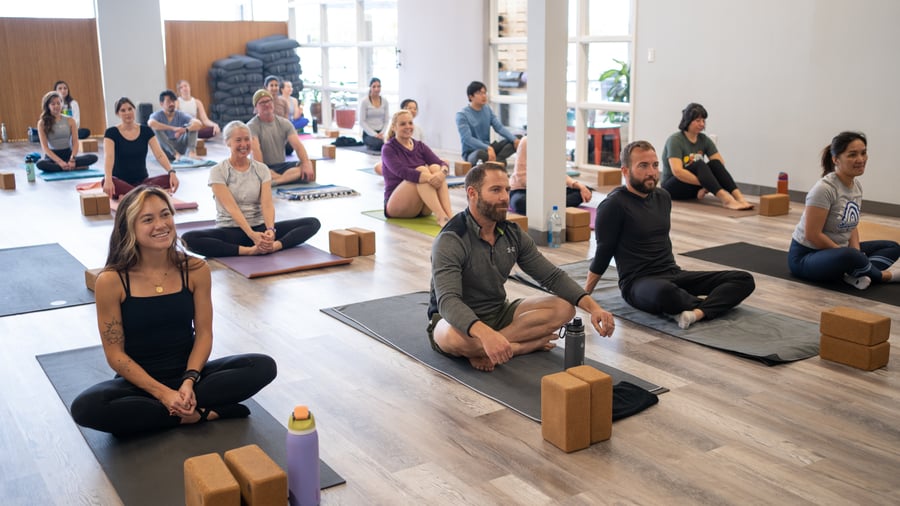
Yoga represents the union of opposites—effort and ease, strength and flexibility—and this class is designed to help you find that perfect balance through both movement and stillness. We begin with a slower-paced Vinyasa flow for the first half of the session to warm the body and build mindful heat, before transitioning into a series of restorative poses supported by props. This intentional shift allows you to release deep-seated tension and dive into a state of chill.
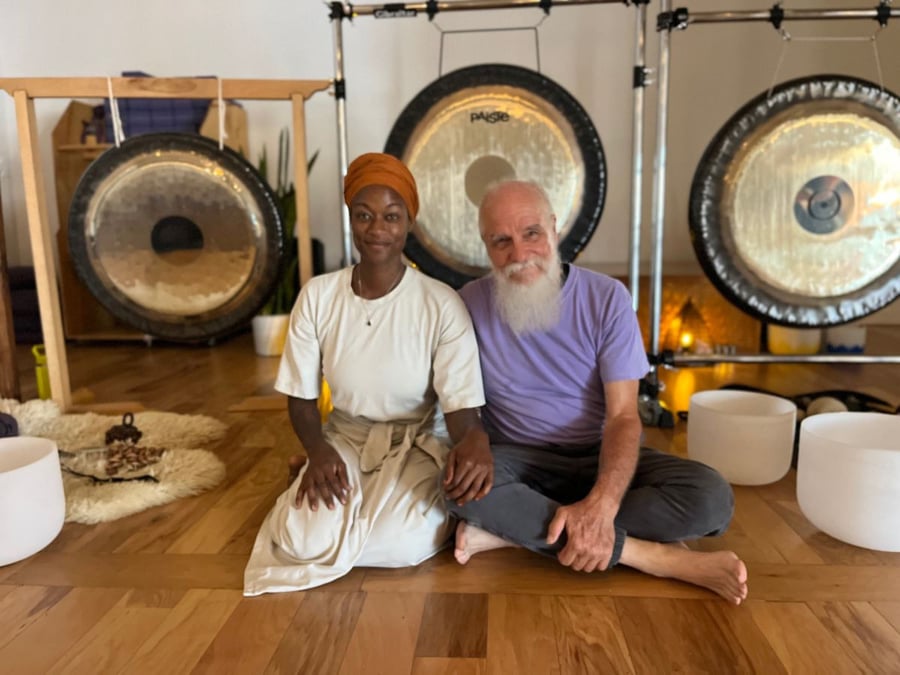
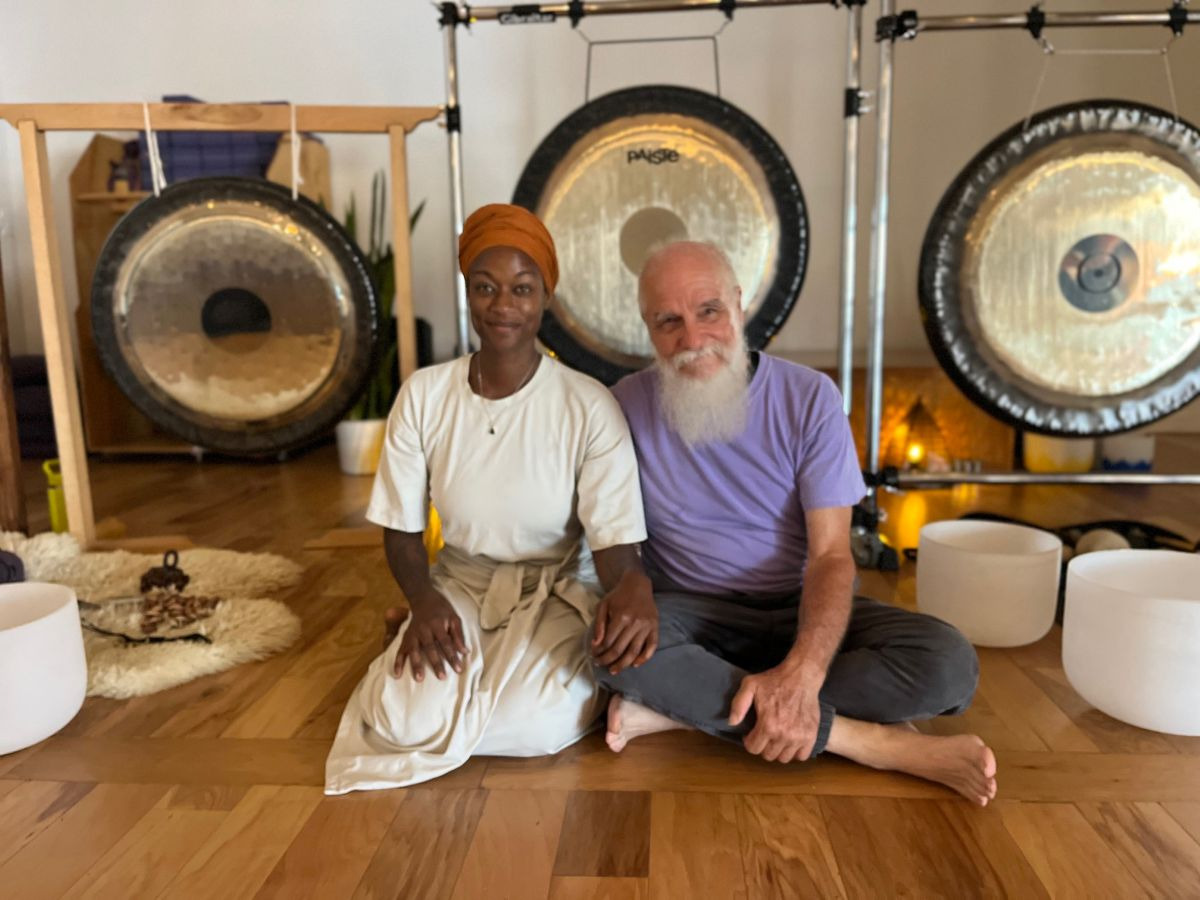
Some classes may be enhanced with sound healing, breathwork, or meditation.
If you have an injury, think of yourself as a master chef adapting a recipe. You can modify yoga poses by using props like blocks or straps, or simply by adjusting your alignment. And remember, it's better to be safe than sorry – no one wants to end up with a yoga-induced injury that puts them out of commission for weeks.
Yoga helps with PTSD like a therapist, providing a safe space to heal and recover. It can help you learn to manage your thoughts and emotions, increase self-awareness, and reduce symptoms of anxiety and depression. Plus, it's a lot more relaxing than traditional talk therapy.
To prepare for a yoga class, channel your inner yogi by wearing comfortable, stretchy clothes, bringing a yoga mat, and leaving your ego at the door. Remember to hydrate before and after class, and don't forget to silence your phone – nobody wants to hear your ringtone during Savasana.
Yoga is like a bone-building superhero. It can help improve bone density by putting stress on your bones in a good way, which encourages them to grow stronger. Plus, it's a lot more fun than lifting weights all day.
Yoga is like a supportive friend for your recovery. It can help with addiction recovery by reducing stress, improving self-awareness, and teaching you to cope with difficult emotions. Plus, it's a lot more fun than sitting in a support group all day.
Try it out
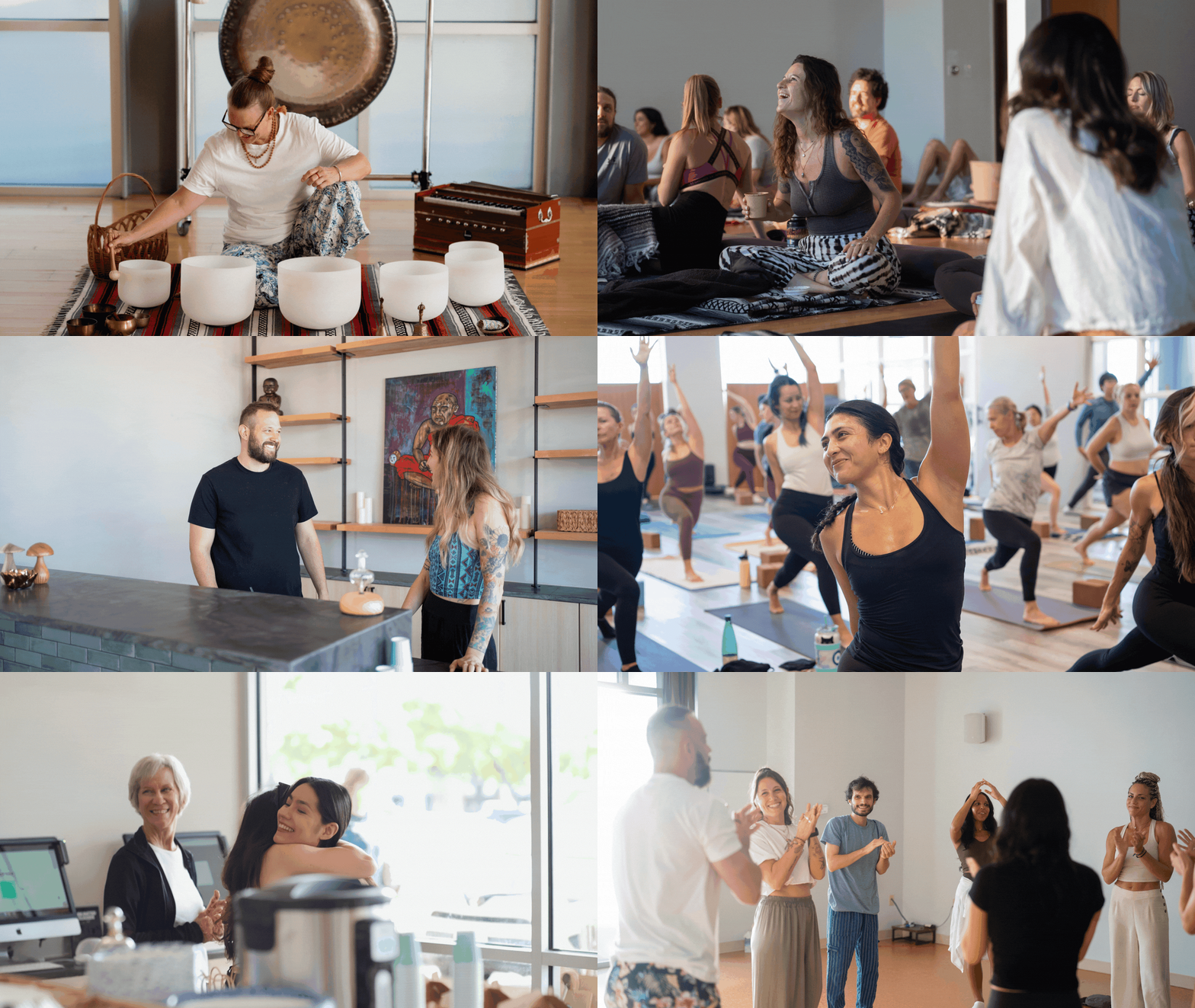
Get to know Flow with unlimited access to all classes at any Flow studio for 30 days
Unlimited Classes for $30